Intent first
Write one playable verb: guard, search, persuade, recover. A verb gives the shot a directional current.
Motion workshop notes · field edition 01
A compact reference for observing weight, organising performance, and building rigs that make a clear idea easier to animate.
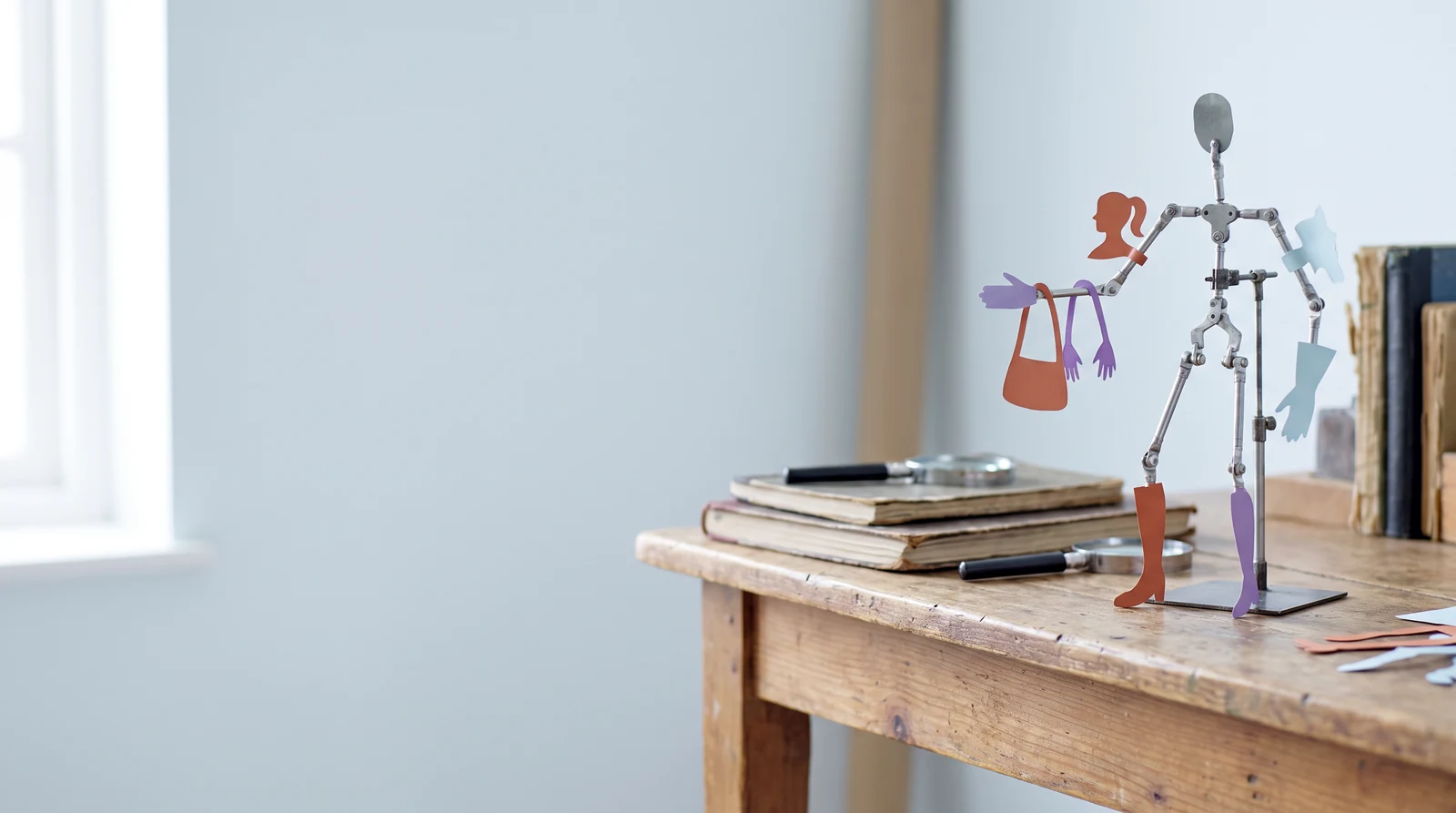
Page 01 · performance
The eye believes an action when it can read where a body came from, where it is going, and what interrupts it.
Write one playable verb: guard, search, persuade, recover. A verb gives the shot a directional current.
Let chest and hips negotiate. A counter-rotation makes a turn feel like a body rather than an icon.
Spacing is the footprint of effort. Dense marks announce resistance; open marks announce release.
Page 02 · motion phases
Click through a simple lift. These are not rules for every action; they are prompts for locating energy before decoration.
Against the action
Shift mass away from the destination. The preparation does not need to be large; it needs to make the upcoming direction legible.
Through the action
Travel with purpose. Let the torso lead or lag depending on the material and the character's decision.
After the action
Energy disperses differently in hands, cloth, head and centre of mass. Land the decision, then allow the residue.
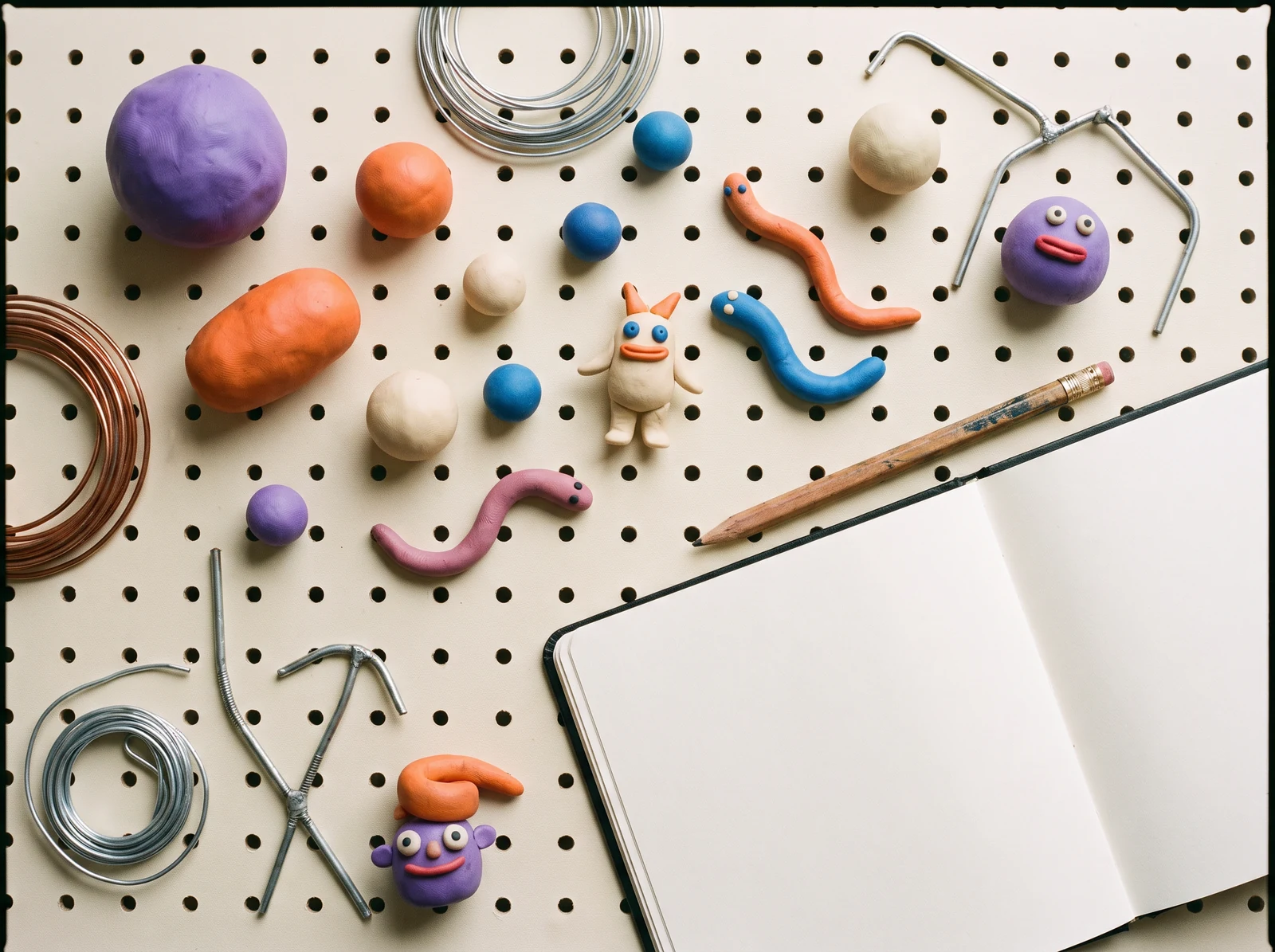
Bench note · silhouette
Squint at the thumbnail. If the action disappears, clarify the direction of spine, gaze and weight before adjusting fingers or facial controls.
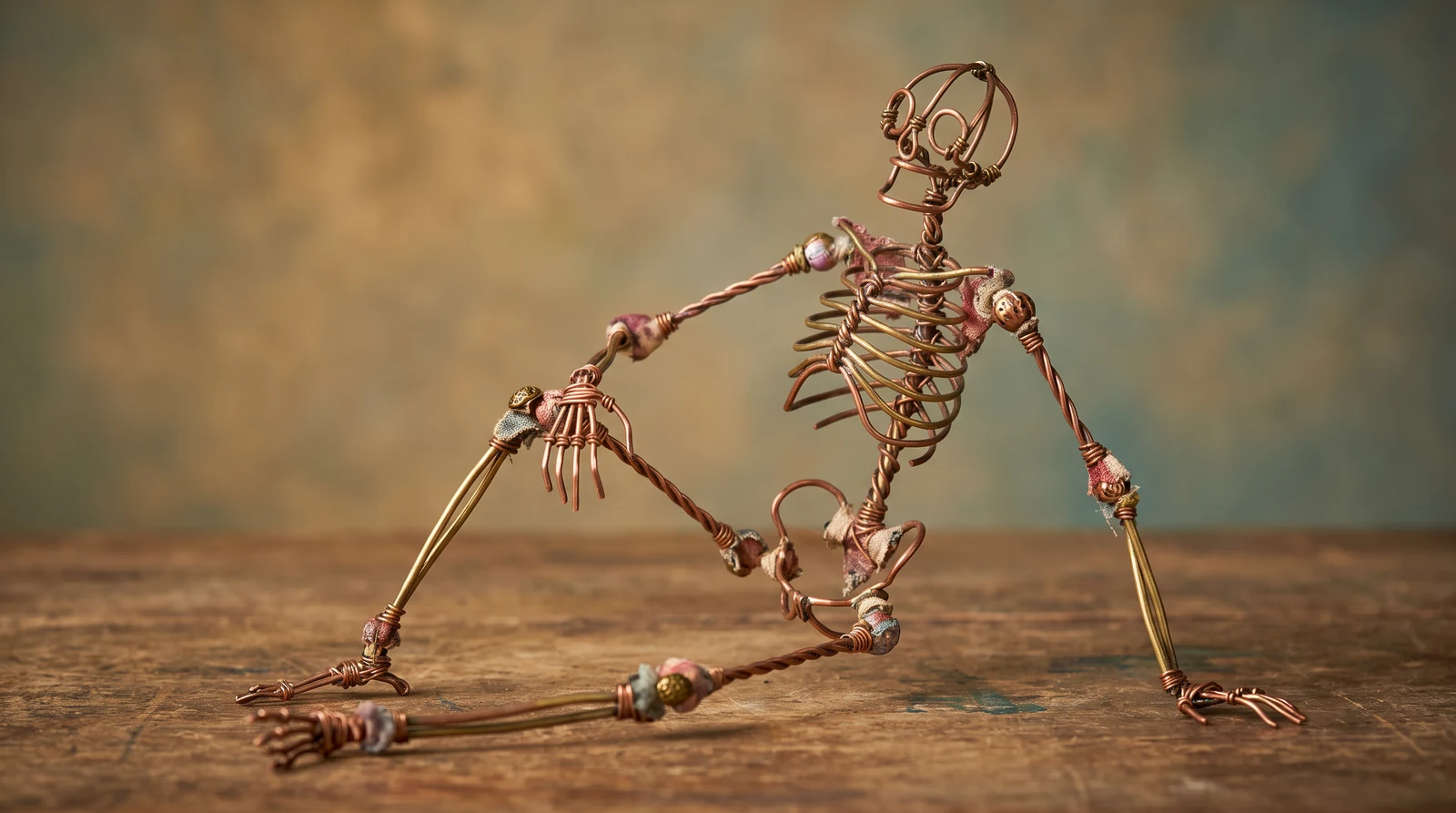
Page 03 · rig sketch
Controls should expose the decisions an animator expects to make often, while keeping technical wiring out of the performance path.
 head aimspine arcfoot plant
Make contact state obvious. A planted control needs a dependable space and a visible answer for release.
Give broad controls precedence over corrective detail. The animator should be able to find the idea at a glance.
Labels such as “lean”, “look”, and “grip” are often easier to remember than a catalogue of hidden operations.
Page 04 · timing map
Count the story beats, then inspect where the object spends time. The frame count alone cannot tell you whether it eased, struck or drifted.
Use stillness to let a decision register, not to fill a pause.
Contrast creates emphasis: quick beside slow, clean beside broken.
Delay belongs to particular mass, not to every control at once.
Page 05 · reference notes
A reference clip is more useful when it records an action with a beginning, decision and aftermath. Watch it through once for the event, then again for weight transfer, then again for offsets.
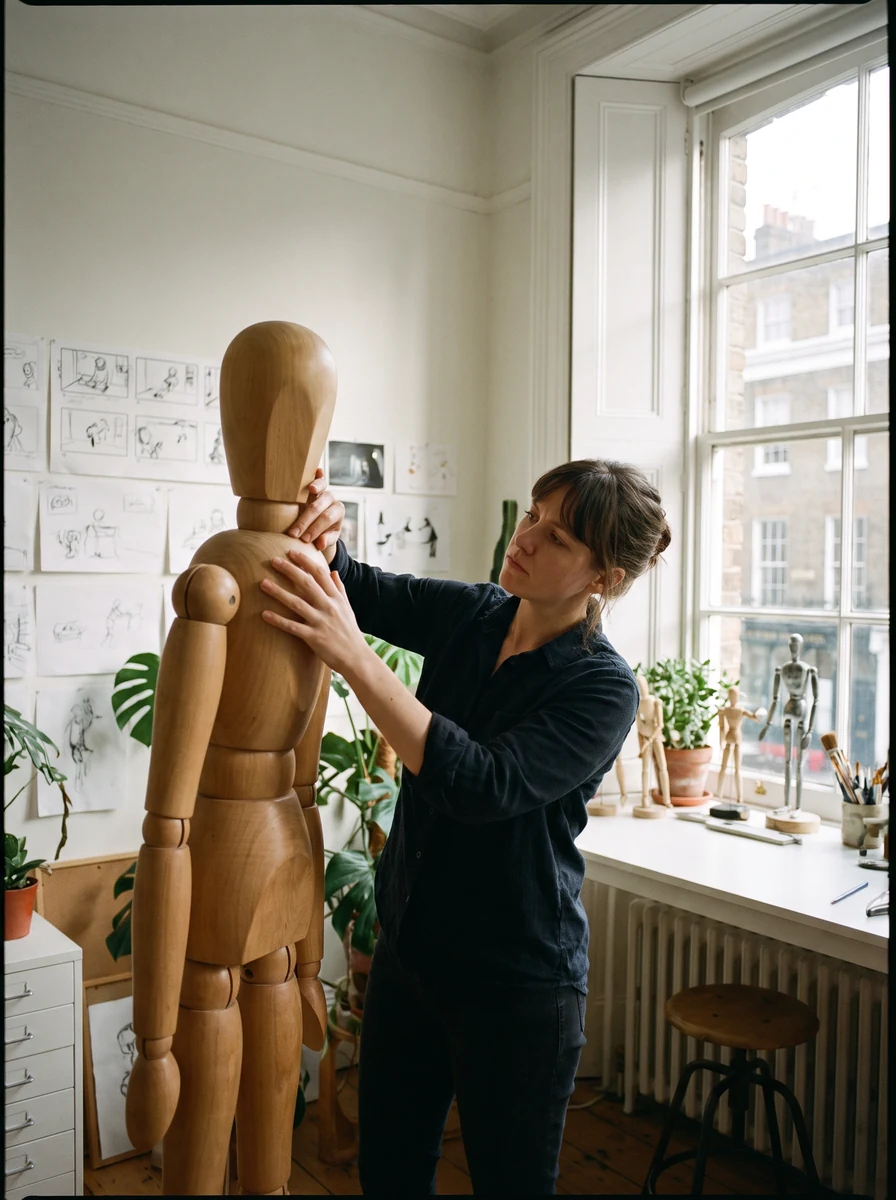
Page 06 · desk check
A small set of scene questions to clear the noise before polishing.
Page 07 · shot assembly
Use a few poses to test the story, balance and staging.
Connect actions, separate body parts and check the arcs.
Tune spacing, eye direction and the moment of contact.
Step away, return small, and look for the first read.
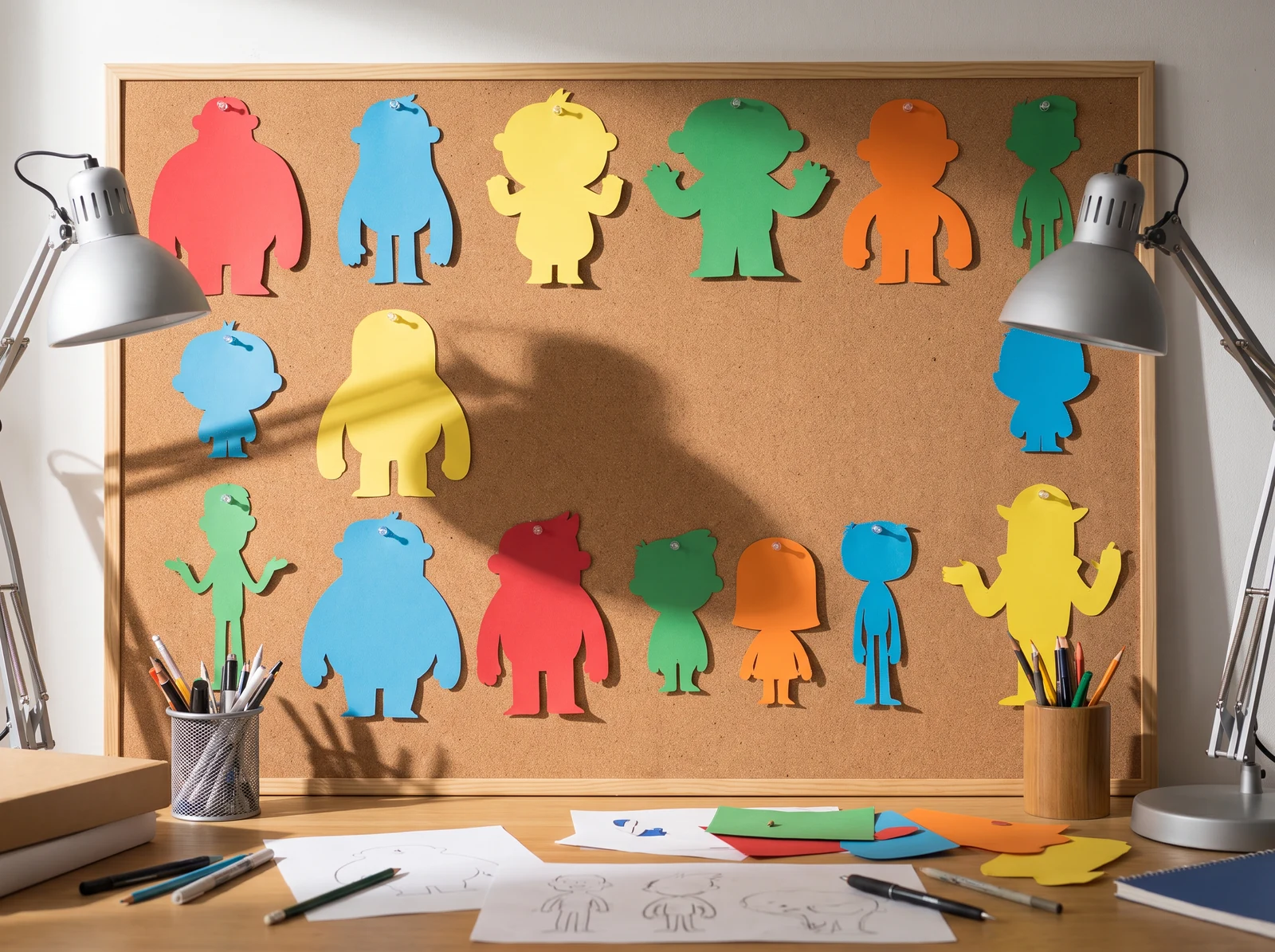
Page 08 · shape language
Round forms can compress and rebound; a tall narrow form may slice through space; a broad base can make a pause feel grounded. Use shape to support the verb, rather than to decorate it.
Page 09 · questions from the bench
These notes help locate a revision when something feels unclear but the graph is full.
Closing page · keep a note
A browser-local draft tool: write a short field note and we’ll assemble an email in your default mail application.